
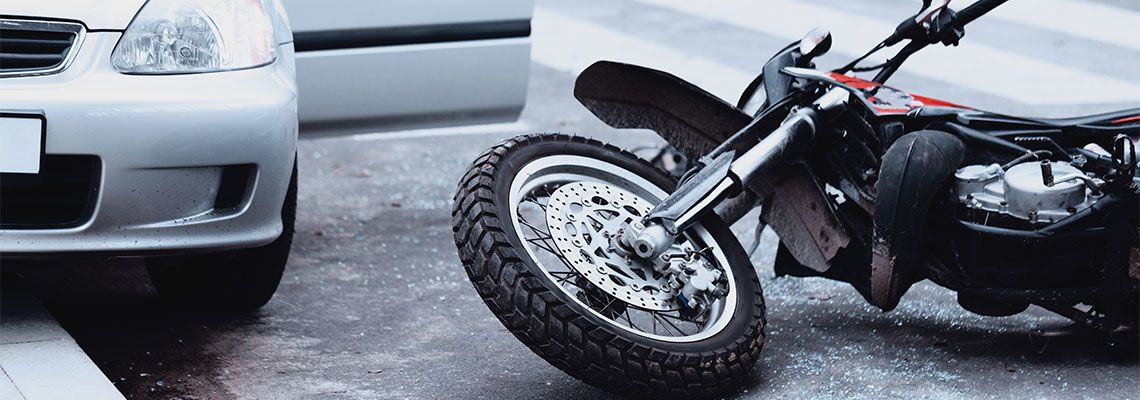
What Are the Unique Risks of Motorcycle Accidents Compared to Other Vehicles?
Motorcycle accidents pose distinct dangers compared to collisions involving cars, trucks, or other vehicles. Riders have less protection, making even minor collisions potentially serious. Understanding these risks is essential for those injured in a crash and anyone supporting them through a personal injury claim.
Motorcycles offer freedom and efficiency, but they leave riders exposed. Unlike drivers in enclosed vehicles, motorcyclists are open to impact, road hazards, and unpredictable traffic behavior. Even experienced riders can face severe consequences in the event of a collision.
At The Eskesen Law Firm, I understand how frightening and life‑altering a motorcycle accident can be, especially when your injuries, medical care, and daily routines are all suddenly disrupted.
I proudly represent clients in New York and have seen how difficult it can be to sort through insurance, treatment, and legal questions while you’re trying to recover. When you’re hurt in a crash that wasn’t your fault, the physical pain and emotional stress can make it hard to know where to begin with a personal injury claim. I’m here to listen to your story and help you understand your options.
Limited Protection in Motorcycle Accidents
One of the most significant differences between motorcycles and other vehicles is the lack of physical protection. Cars have seat belts, airbags, and a steel frame to absorb impact. Motorcycles, however, provide almost no shield. A rider striking another vehicle, object, or the road surface is at risk of severe injuries, including broken bones, head trauma, and spinal damage.
The limited protection also increases the chance of permanent injuries. Unlike in a car accident, where occupants may walk away with minor bruises, motorcycle crashes often result in hospitalization, extended recovery, and long-term limitations. This exposure can affect personal injury claims, emphasizing the importance of detailed evidence and medical documentation.
Visibility Challenges for Motorcyclists
Motorcycles are smaller and less visible than other vehicles, contributing to many accidents. Drivers may fail to notice motorcycles, especially at intersections or during lane changes. Reduced visibility increases the likelihood of side-impact collisions and “left-turn” accidents, where a car turns in front of an oncoming motorcycle.
Poor visibility conditions, such as nighttime driving or bad weather, make riding even more hazardous. Personal injury cases often need to account for factors such as lighting, road conditions, and witness observations to establish the circumstances that led to the accident.
Road and Environmental Hazards
Motorcycles are more susceptible to road hazards than other vehicles. Potholes, debris, wet surfaces, and uneven pavement can easily cause a rider to lose control. Even minor obstacles that a car would handle safely can become dangerous for a motorcycle.
Environmental factors, including rain, snow, and wind, also have a greater impact on motorcycles. Slippery roads or sudden gusts can trigger accidents that might not occur for drivers in larger vehicles. Personal injury claims often include documentation of these hazards to show how they contributed to the accident.
High Risk of Severe Injuries
The severity of injuries in motorcycle accidents is typically higher than in collisions involving cars or trucks. Riders are exposed to direct impact forces, increasing the likelihood of fractures, abrasions, internal injuries, and head trauma. Helmet use can reduce the risk of fatal head injuries but cannot prevent all trauma.
In addition to physical injuries, emotional and financial impacts are often significant. Extended hospital stays, rehabilitation, lost income, and ongoing medical treatment may be necessary. Personal injury claims must capture both the immediate and long-term consequences of the accident to seek fair consideration.
Multi-Vehicle Accident Complications
When motorcycles are involved in multi-vehicle accidents, determining liability can be more complicated. Other drivers may misjudge the motorcycle’s speed or distance, leading to collisions. Multiple parties can be responsible, including drivers, vehicle owners, or even manufacturers, if equipment failure contributed.
Accident reconstruction, witness statements, and expert analysis often play a critical role in these cases. Detailed evidence helps establish fault and supports a personal injury claim, ensuring all responsible parties are properly accounted for.
Legal Considerations for Motorcycle Accidents
Motorcycle accidents often involve unique legal considerations. Insurance coverage, helmet laws, and state-specific riding regulations can affect claims. Some insurers may attempt to minimize payouts due to assumptions about rider behavior or shared responsibility.
Documenting all aspects of the accident is crucial. Photographs, medical records, traffic citations, witness statements, and insurance correspondence create a comprehensive record. These materials provide a foundation for negotiating settlements or pursuing a claim in court.
Protecting Your Rights After a Motorcycle Accident
Prompt action after a motorcycle accident is vital. Seeking immediate medical attention protects health and creates an official record linking injuries to the crash. Reporting the accident to law enforcement and gathering witness information confirms that key evidence is preserved.
Maintaining accurate records of medical treatment, lost income, and property damage supports personal injury claims. The more detailed the documentation, the stronger the case. Being proactive and contacting an experienced personal injury attorney also helps prevent disputes over the cause of the accident or the extent of injuries.
What to Know About Evidence in Motorcycle Personal Injury Claims
Evidence is the backbone of any personal injury claim. For motorcycle accidents, this often includes:
Accident scene photographs and videos
Witness accounts and contact information
Medical records and treatment summaries
Traffic citations or police reports
Vehicle damage assessments
Documentation of lost wages or financial impact
Combining these elements helps demonstrate liability, severity of injuries, and the accident’s effect on daily life. In motorcycle accidents, where severity is often higher, and multiple factors contribute, detailed evidence is especially important.
Protect Your Rights After a Motorcycle Accident
Motorcycle accidents pose specific risks that set them apart from crashes involving other vehicles. Limited protection, visibility issues, road hazards, and the possibility of serious injuries all make these cases particularly important.
At The Eskesen Law Firm, I work with clients in New York, including Kings, Queens, New York, Bronx, and Richmond Counties, to help them through these difficult situations. By acting quickly, documenting injuries, and preserving evidence, I guide clients through the personal injury process while making sure every relevant detail is addressed. If you or a loved one has been hurt in a motorcycle accident, contact me today.